Source Metal Slider Buckle for Bags, Belts, and Garments
Explore 30 listings for the metal slider buckle, comparing options in iron, stainless steel, and zinc alloy. Buyers can evaluate sizes, plating, and customization services from verified manufacturers in China; compare the available evidence and request quotations based on your requirements.
Key considerations
Products List




Comprehensive Sourcing Guide
Metal Slider Buckle Sourcing Guide
Sourcing metal slider buckles requires a nuanced understanding of material science, surface treatment capabilities, and supply chain logistics. These components serve as critical fastening elements across diverse industries, ranging from high-fashion apparel to rugged outdoor gear. Buyers must navigate a landscape where aesthetic customization competes with functional durability, ensuring that the selected hardware meets both design intent and operational stress requirements.
The procurement process involves balancing immediate availability with long-term supplier reliability. While some manufacturers offer standard sizes for quick deployment, others specialize in bespoke designs that align with specific brand identities. Understanding the interplay between metal type, plating quality, and mechanical spring mechanisms is essential for selecting the right component that will withstand repeated use without compromising the integrity of the final product.
Product Scope and Observed Listing Signals
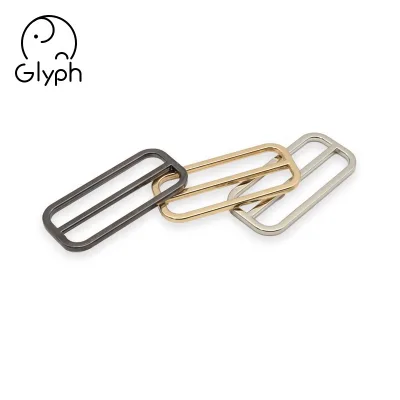
The market for metal slider buckles encompasses a wide variety of forms, including rectangular rings, adjustable sliders, and specialized fasteners for belts, bags, and pet collars. Observed listings indicate a strong preference for silver, gold, black, and antique finishes, with many suppliers offering color-matching services to ensure seamless integration with leather or fabric straps. The presence of spring-loaded mechanisms in some models highlights the demand for secure, self-locking functionality, while non-spring variants cater to decorative or fixed-length applications.
Material selection is a primary differentiator, with iron, stainless steel, and zinc alloy being the most common substrates. Zinc alloy, particularly die-cast variants, is frequently cited for its ability to hold intricate designs and provide a robust feel, whereas stainless steel offers superior corrosion resistance for outdoor or marine environments. Buyers should note that plastic components are occasionally listed alongside metal hardware, suggesting hybrid solutions or specific lightweight applications that require careful verification of material composition.
Technical Specifications to Verify
Dimensional accuracy is paramount when specifying metal slider buckles, as even minor deviations can affect the fit and function of the final assembly. Standard sizes observed in the market include 10mm, 12mm, 15mm, 19mm, 25mm, 32mm, 38mm, and 50mm widths, with some specialized models offering larger dimensions up to 51mm. Buyers must verify the exact width and length requirements, as some products are defined by standard widths while others are specified by overall dimensions such as 70x47mm or 57x40mm, depending on the intended strap thickness and design aesthetic.
Surface treatment and plating quality directly influence the longevity and appearance of the hardware. Eco-friendly coating processes are increasingly common, reflecting a shift towards sustainable manufacturing practices without sacrificing durability. Features such as anti-corrosion properties and high-temperature resistance are critical for products exposed to harsh conditions. Additionally, the distinction between adjustable and non-adjustable mechanisms must be clearly defined, as this impacts the user experience and the complexity of the assembly process during production.
Compliance and Safety Documentation
Regulatory compliance is a non-negotiable aspect of sourcing metal hardware, particularly for products intended for consumer use. Certifications such as Oeko-Tex Standard 100 and BSCI are relevant indicators of ethical manufacturing and material safety, ensuring that the hardware does not contain harmful substances that could come into contact with skin. Buyers should request current certification documents to verify that the supplier adheres to international standards for chemical restrictions and social responsibility, which are increasingly demanded by global retailers and brands.
While ISO9001 is a common quality management standard, its presence alone does not guarantee product-specific compliance. Buyers must verify that the supplier has a robust quality management system in place that covers material sourcing, production processes, and final inspection. Documentation should include material test reports that confirm the absence of heavy metals like lead and cadmium, especially for plated items. Ensuring that the hardware meets these safety standards protects the brand from liability and aligns with consumer expectations for safe, high-quality products.
Cost Drivers and Commercial Terms
Pricing for metal slider buckles is influenced by several factors, including the type of metal used, the complexity of the design, and the volume of the order. Observed price ranges vary significantly, reflecting differences in material costs and manufacturing techniques. Minimum Order Quantities (MOQs) typically range from 500 to 50,000 pieces, with lower MOQs often commanding higher unit prices. Buyers should negotiate terms that align with their production schedules, considering that custom designs may require higher MOQs to justify the setup costs for tooling and plating.
Lead times are another critical commercial term, with standard production cycles often ranging from 7 to 10 days for stock items or simple customizations. However, complex OEM/ODM projects may require additional time for design approval, sample production, and mass manufacturing. Buyers should clarify whether sample charges are waived for bulk orders, as some suppliers offer free samples to facilitate decision-making. Understanding these commercial terms helps in planning inventory levels and managing cash flow effectively throughout the procurement cycle.
Supplier Qualification and Quality Control
Evaluating supplier capabilities is essential to ensure consistent quality and reliable delivery. Buyers should assess the supplier’s experience in metalworking, particularly in die-casting and plating processes, as these skills directly impact the finish and durability of the buckles. Factories located in industrial hubs like Dongguan and Zhejiang are known for their expertise in hardware manufacturing, but buyers must verify the specific capabilities of each supplier through audits or third-party inspections.
Quality control measures should include rigorous testing for plating adhesion, corrosion resistance, and mechanical strength. Buyers should request samples to evaluate the feel, finish, and functionality of the buckles before committing to large orders. Establishing clear quality standards and inspection protocols with the supplier helps prevent defects and ensures that the final products meet the required specifications. Regular communication and feedback loops are also important for maintaining quality consistency over time.
Long-Term Procurement Checks
Building a sustainable supply chain for metal slider buckles requires ongoing monitoring and relationship management. Buyers should regularly review supplier performance metrics, including on-time delivery rates, defect rates, and responsiveness to issues. Maintaining a diversified supplier base can mitigate risks associated with single-source dependencies, ensuring continuity of supply even if one supplier faces production challenges.
As market trends evolve, buyers should stay informed about new materials, finishes, and design innovations that could enhance their product offerings. Engaging in continuous dialogue with suppliers about future needs and potential improvements fosters a collaborative partnership that can lead to better pricing, priority production slots, and access to exclusive designs. Long-term success in sourcing metal hardware depends on balancing cost efficiency with quality and reliability, ensuring that the components support the brand’s reputation for excellence.
FAQs
What metal types are used for these buckles?
These buckles are crafted from iron, stainless steel, and zinc alloy. The zinc alloy options often feature die-casting for durability. Steel variants provide high strength for heavy-duty applications. This variety allows buyers to select the optimal material based on their specific product requirements and budget constraints.
Can I customize the design of the metal buckle?
Yes, customization is available for these metal buckles. Buyers can request OEM or ODM services to tailor the design. The product supports customized elements to match specific brand identities. This flexibility ensures that the final hardware aligns perfectly with the intended aesthetic and functional needs of the end product.
What sizes are available for the metal slider buckle?
Available sizes include 10mm, 12mm, 15mm, 19mm, 25mm, 32mm, 38mm, and 50mm. Standard specifications also list 20mm, 51mm, and specific dimensions like 70x47mm. This wide range accommodates various applications, from small purse hardware to larger belt and bag attachments, ensuring a precise fit for diverse manufacturing needs.
What is the typical lead time for production?
The typical lead time for production is 7-10 days. This timeframe applies to standard manufacturing processes for these metal buckles. Buyers should note that custom orders or large volume requests may require additional time. Planning production schedules around this baseline ensures timely delivery and smooth integration into the overall supply chain workflow.
Are these buckles suitable for outdoor or wet environments?
Yes, these buckles feature anti-corrosion and eco-friendly coating processes. The materials, including stainless steel and treated zinc alloy, resist rust and wear. This makes them suitable for outdoor gear, pet collars, and sportswear. The durable finish ensures longevity even when exposed to moisture, sweat, or harsh weather conditions during regular use.
What is the minimum order quantity for these items?
The minimum order quantity varies, with some listings requiring 1000 pieces and others starting at 500 pieces. Observed ranges extend up to 50,000 pieces for larger batches. Buyers should confirm the specific MOQ with the supplier based on the chosen model and customization level to ensure the order meets production thresholds.
Can I get a free sample before placing an order?
Yes, free samples are available for charge upon request. This allows buyers to evaluate the quality, finish, and functionality of the metal buckles. Sampling helps verify that the product meets the required standards before committing to a larger purchase. It is a practical step to ensure satisfaction with the hardware before mass production begins.